
INTRODUCTION
Ooralea Biomagnetism
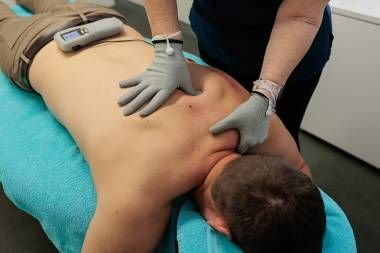
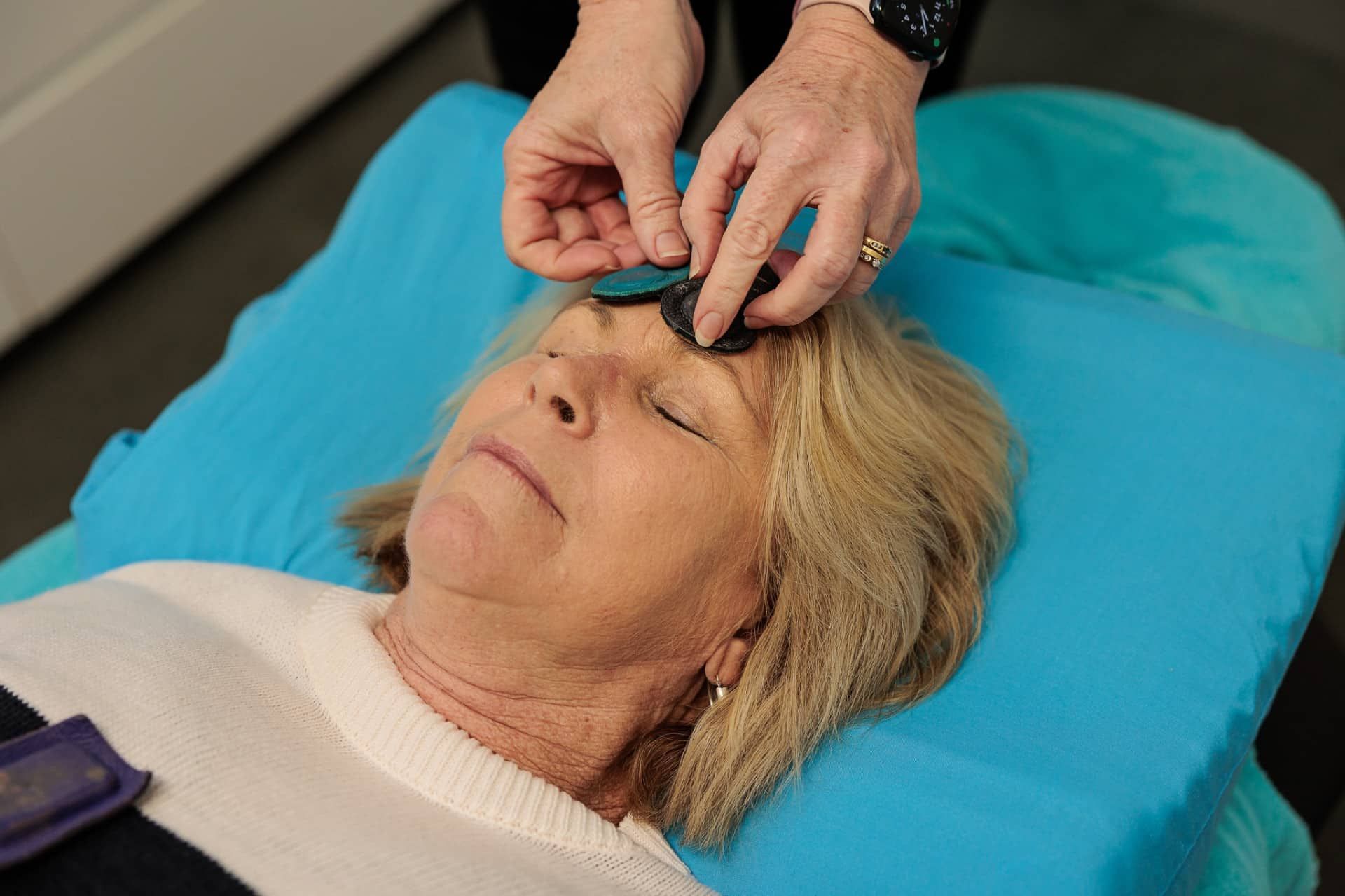
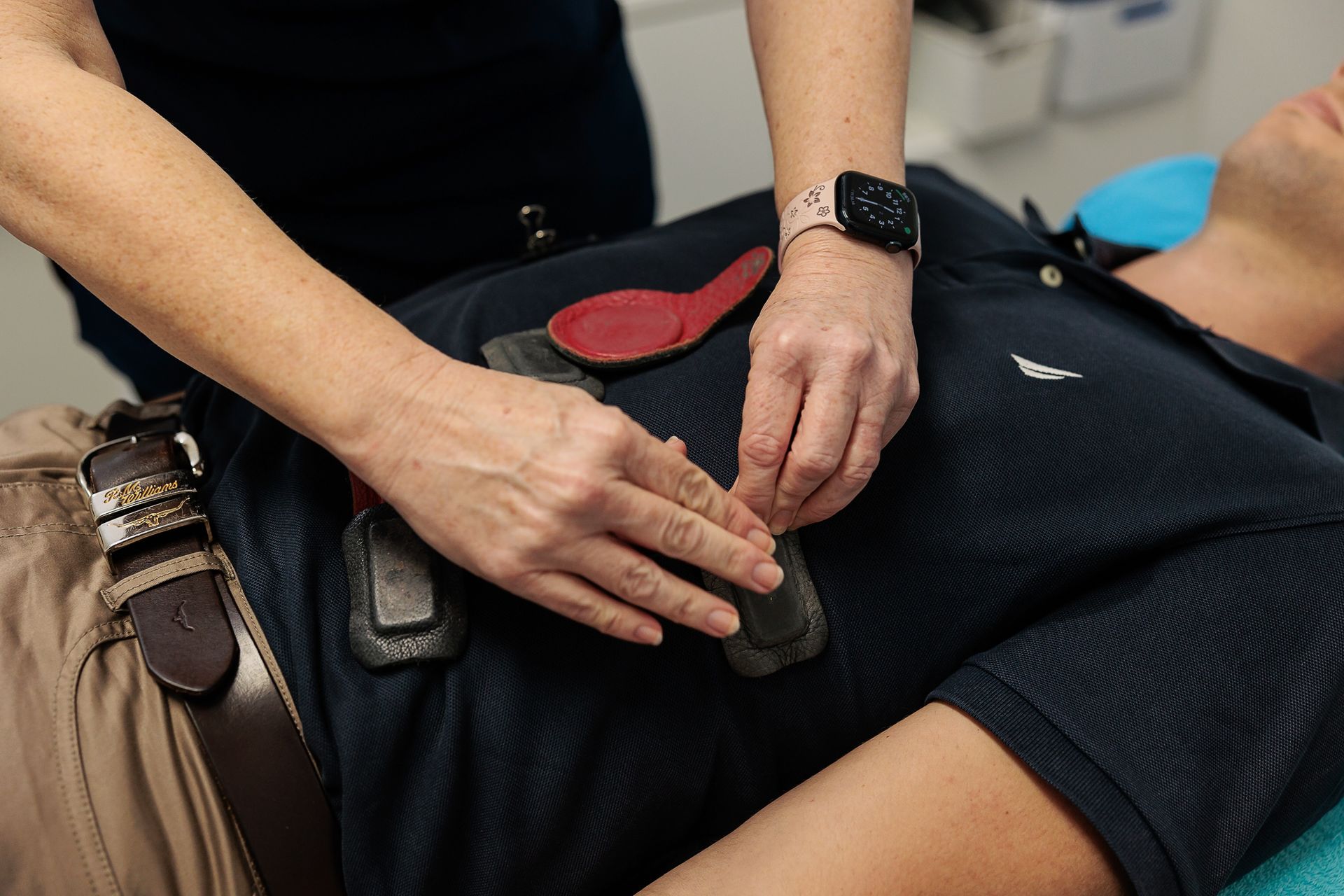
Biomagnetism is a complementary technique that uses magnets to influence internal balance and body environment. At Grays Chiropractic & Wellness, we offer biomagnetism as a complementary option for clients in Ooralea seeking to support their body’s internal equilibrium. This technique involves applying medical-grade magnets to specific points on the body, with the intention of influencing pH levels and cellular function. Each application is based on assessment and pattern recognition, focusing on pairs of points that may correspond with areas of imbalance.
Biomagnetism does not claim to diagnose or cure disease. Instead, it is used in conjunction with other care strategies to assist with the body’s own ability to manage dysfunction or strain. The process is non-invasive, guided by trained practitioners and designed to support wellness through targeted placement of static magnetic fields.
- Non-Invasive Magnetic Therapy
- Supports Internal Environment Regulation
- Tailored to Individual Presentation
This therapy may be considered as part of a wider care plan involving chiropractic, massage or osteopathic support. If you are considering biomagnetism, we begin with a detailed consultation to determine suitability. It is a safe, drug-free method that can be integrated into broader strategies aimed at supporting quality of life. To book or find out more, contact our team on (07) 4959 2999.
what we do
How Biomagnetism Can Be Applied
Biomagnetism is a technique that appeals to individuals looking for supportive methods in managing long-term or recurring symptoms. While not a form of medical treatment, it is explored by those navigating conditions like chronic fatigue, immune dysfunction or musculoskeletal discomfort. The method focuses on applying magnets of opposite polarity to targeted areas on the body, which may assist in restoring a neutral internal pH environment.
Some people report feeling a reduction in pressure, improved energy levels or greater comfort after a series of sessions. Results can vary, and biomagnetism should never replace clinical care, diagnosis or prescribed treatment. Instead, it can complement traditional or allied health services. It is suitable for adults of various ages and can be adjusted to suit individual needs, always under the guidance of a trained practitioner.
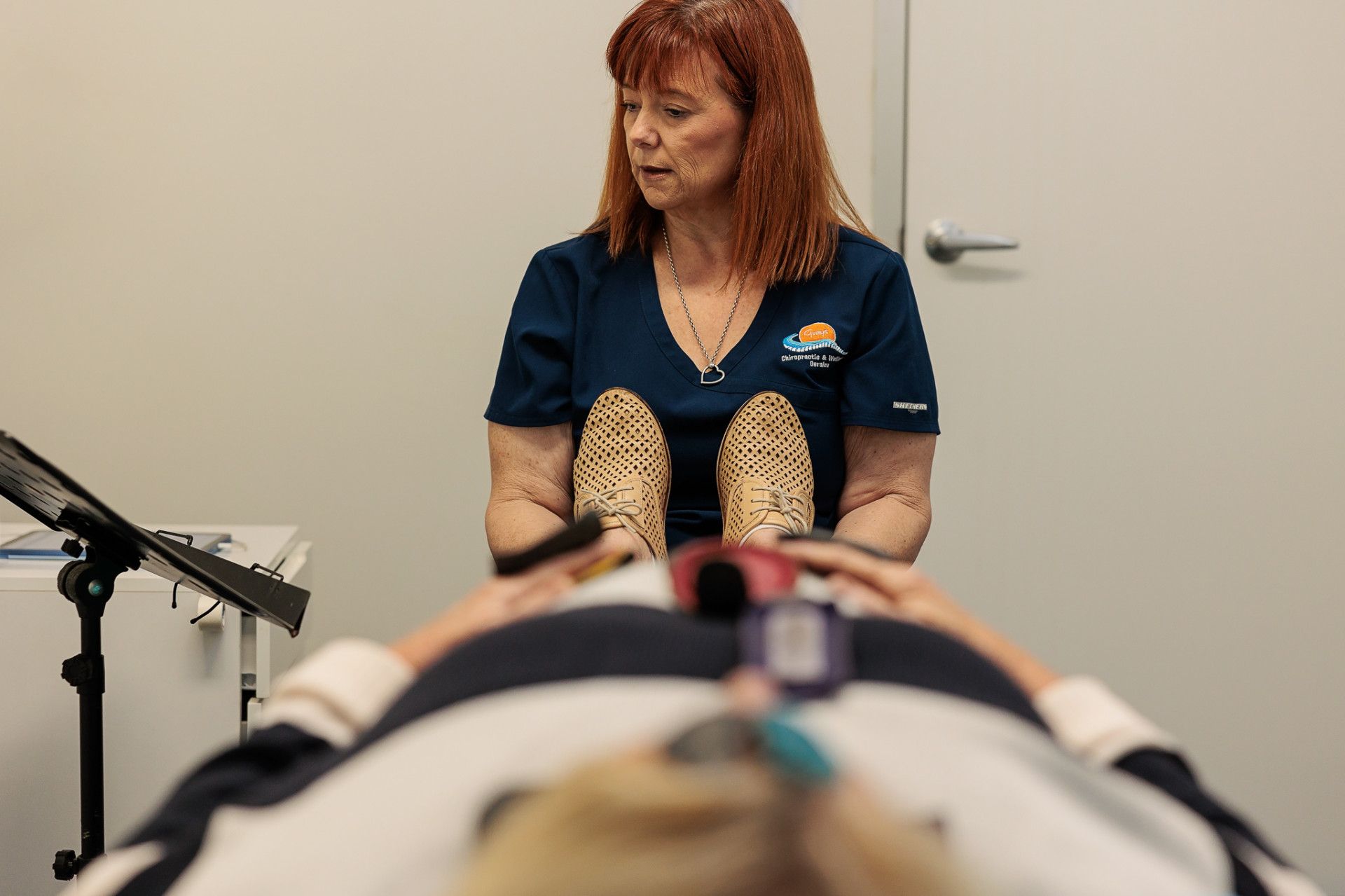
In practice, this method involves identifying potential pairings where magnetic placement may support the body’s regulation processes. Sessions are typically quiet and relaxed, with no pain or active stimulation during the procedure. While evidence remains emerging, biomagnetism is considered a safe, low-risk option when applied responsibly. It continues to gain interest among those seeking to support their well-being through structured, gentle means within a holistic framework.
Need Help?
Frequently Asked Questions
What is biomagnetism therapy used for?
Biomagnetism therapy is often used as a complementary approach aimed at promoting internal balance. It involves placing pairs of magnets on specific points of the body to influence pH levels and encourage homeostasis. While it is not a replacement for medical treatment, some people seek biomagnetic sessions for concerns related to fatigue, digestion, sleep, stress or general wellbeing. Outcomes can vary, and those considering this therapy should consult a qualified practitioner and discuss it alongside their primary healthcare plan.
Is biomagnetism considered scientifically proven?
Biomagnetism has not been widely adopted within mainstream medical frameworks, and current research is limited. While there are anecdotal accounts and some small studies suggesting benefits, larger clinical trials are needed to determine its efficacy. As with any complementary therapy, it is essential for individuals to make informed decisions and understand that biomagnetism is not intended as a standalone treatment for diagnosed medical conditions. Always seek guidance from a healthcare professional before beginning any new therapy.
How is biomagnetism different from magnetic therapy?
Although both approaches involve the use of magnets, biomagnetism and magnetic therapy differ in application and purpose. Biomagnetism uses pairs of magnets to influence the body’s internal pH balance, often placed in strategic pairings based on practitioner assessment. In contrast, magnetic therapy generally uses single magnets for localised support, such as magnetic jewellery or braces. Biomagnetism is typically offered in structured sessions, while magnetic therapy is more passive and often self-administered.